


How to Clean Leather Work Gloves: A Comprehensive Guide
Leather work gloves are essential for protecting your hands in demanding work environments, but regular care can significantly extend their...

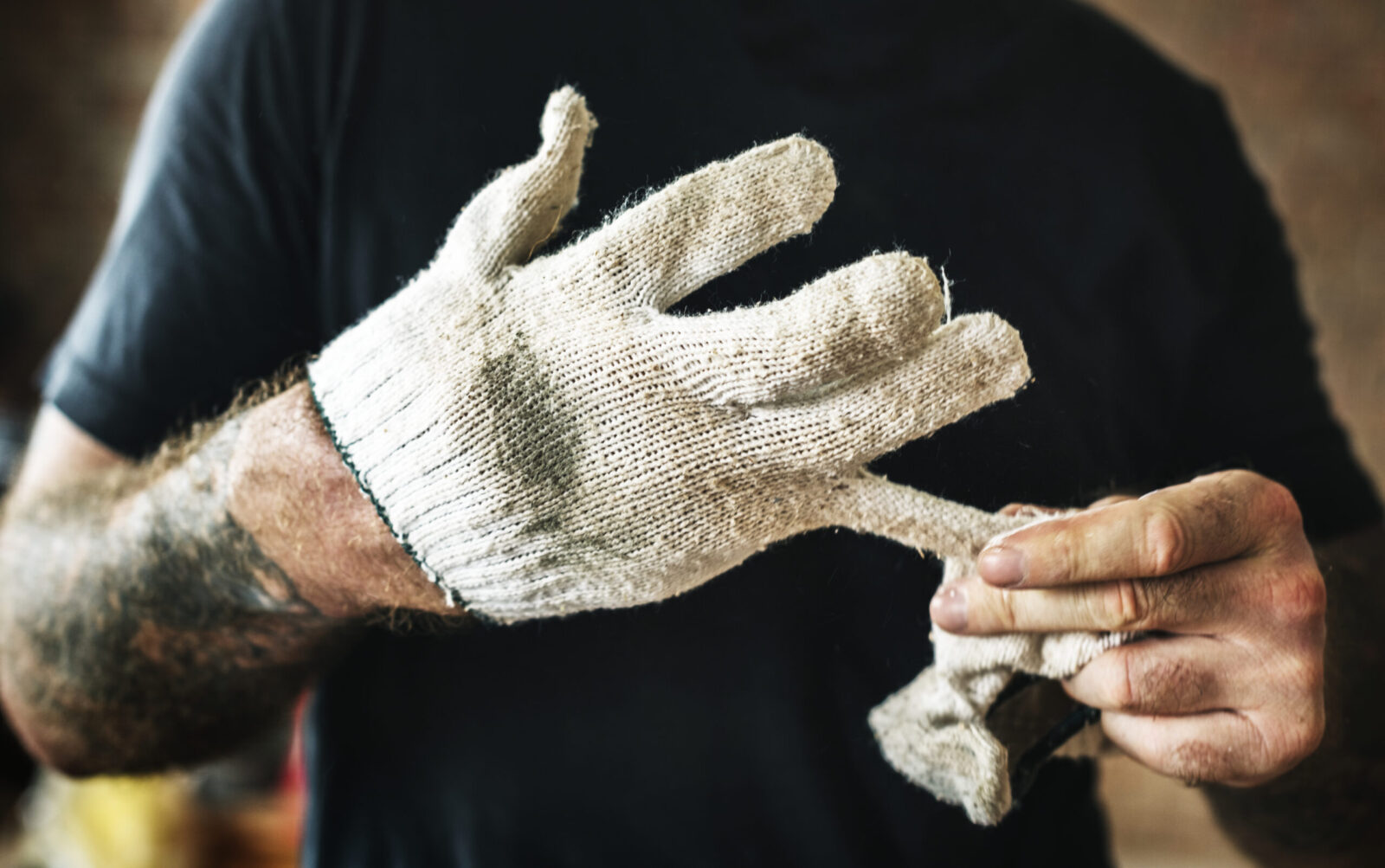












Choosing the right heat-resistant gloves is very important for safety and performance when working in hot places. Heat-resistant gloves are very important for keeping hands safe from burns, heat exposure, and other accidents, especially in jobs like manufacturing, welding, foundries, and food handling. This article will show you what to think about so that you pick the best gloves for your needs.
Heat-resistant gloves shield workers from extreme temperatures, minimizing the risk of burns, blisters, and other injuries. These gloves are designed to meet occupational safety standards, providing protection while allowing workers to maintain dexterity and grip.
Common applications for heat-resistant gloves include:
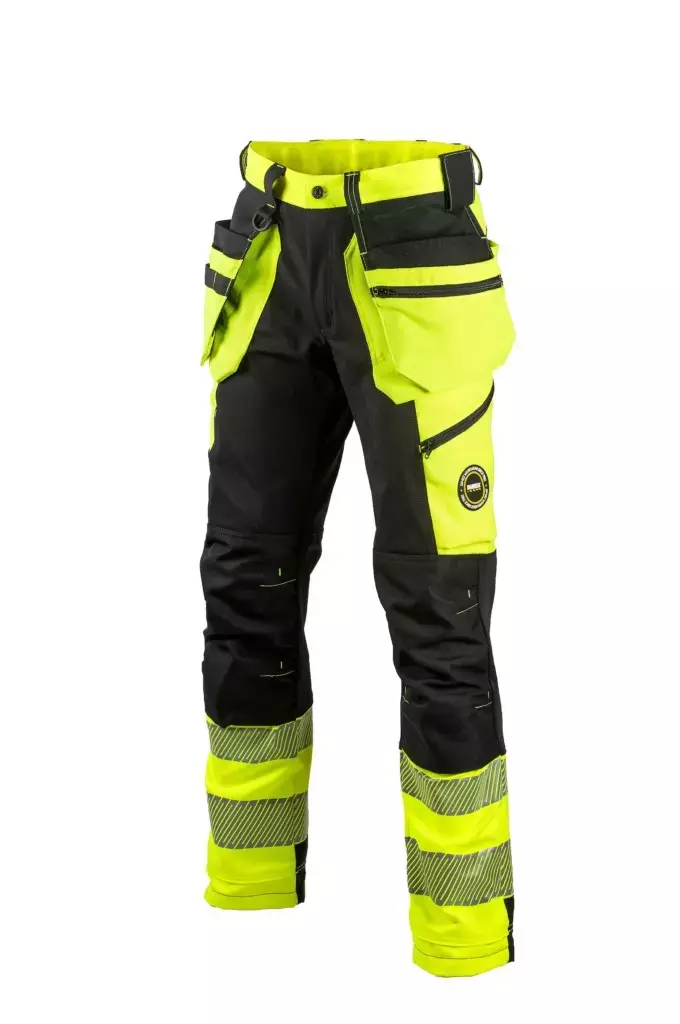
/piece

/piece

/package
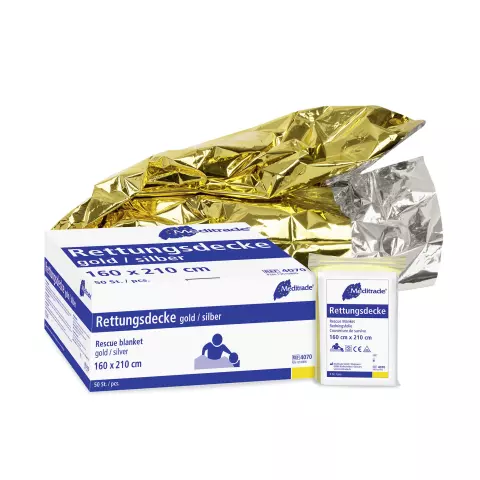
/package
Looking at a number of important factors, such as the material, amount of heat protection, fit, and other safety features, is necessary to choose the right gloves.
The material of the gloves determines their heat resistance, durability, and flexibility. Here are common materials used in gloves:
| Material | Features and Benefits | Applications |
| Kevlar® | High heat resistance, cut protection, lightweight | Metalworking, welding |
| Leather | Durable, heat and abrasion resistance, good grip | Welding, foundries |
| Aluminized | Reflects heat, suitable for radiant heat protection | Foundries, glass manufacturing |
| Cotton blends | Comfortable, moderate heat resistance, suited for lighter tasks | Baking, food handling |
| Silicone | High heat resistance, flexible, chemical resistance | Chemical handling, high-temperature tasks |
Every material fits for particular temperature ranges and working conditions. To be sure the gloves will fit your work, always confirm their heat resistance values.
Assess the maximum temperature exposure in your work environment to determine the appropriate gloves. Gloves are typically rated for specific temperature ranges:
Though they may limit dexterity, thicker gloves usually provide better protection. Based on your job, choose gloves that strike a mix between protection and flexibility.
When gloves fit right, they are more comfortable, easier to hold, and safer. Gloves that are too loose can come off, and gloves that are too tight can cut off blood flow and be painful to wear for long periods of time.
Tips for selecting the right fit:
Some gloves come with additional features to enhance safety and usability:
When buying gloves, it’s very important to make sure they meet European safety guidelines. Look for certificates that say the gloves meet certain standards for performance.
EN 407 certification indicates the gloves’ ability to withstand thermal risks, including:
If your tasks involve sharp objects or abrasive surfaces, choose gloves with EN 388 certification, which rates resistance to cuts, abrasions, tears, and punctures.
To maximize the lifespan and performance of your gloves, follow these maintenance tips:
When choosing gloves, avoid these common errors:
Gloves that can handle temperatures from 100°C to 500°C are common. Pick gloves that are rated for your wants.
Some heat-resistant gloves, like those made with silicone or specific coatings, offer chemical resistance. Check the product specifications.
Replace gloves as soon as you notice wear or damage. Regular inspections help identify when a replacement is needed.
Many gloves are washable, but follow the manufacturer’s cleaning guidelines to avoid damaging the materials.
Melting metal splashes can be stopped by aluminum-coated gloves made for radiant heat protection. Assure that the gloves meet the requirements set by EN 407.
Choosing the right heat-resistant gloves is essential for workplace safety and productivity. By considering factors like material, temperature resistance, fit, and certifications, you can select gloves that meet your specific needs. Always prioritize quality and safety standards to ensure optimal protection in high-temperature environments.





Leather work gloves are essential for protecting your hands in demanding work environments, but regular care can significantly extend their...

When working in demanding environments, selecting the right protective gear is essential. Heavy-duty leather work gloves provide superior protection, durability,...

Leather work gloves are essential tools for many industries, offering durability, comfort, and protection. Proper maintenance ensures they last longer,...
Leather work gloves are essential for protecting your hands in demanding work environments, but regular care can significantly extend their...
When working in demanding environments, selecting the right protective gear is essential. Heavy-duty leather work gloves provide superior protection, durability,...
Leather work gloves are essential tools for many industries, offering durability, comfort, and protection. Proper maintenance ensures they last longer,...
Get 20€ off on your first order!
Save 30% by buying directly from brands, and get an extra 10€ off orders over €100
Save 30% by buying directly form brands, and get an extra 10€ off orders over €100