



How To Choose The Best Anti-Fog Safety Glasses
Struggling to maintain clear vision in demanding environments? This guide is here to help. By the end, you’ll know exactly...

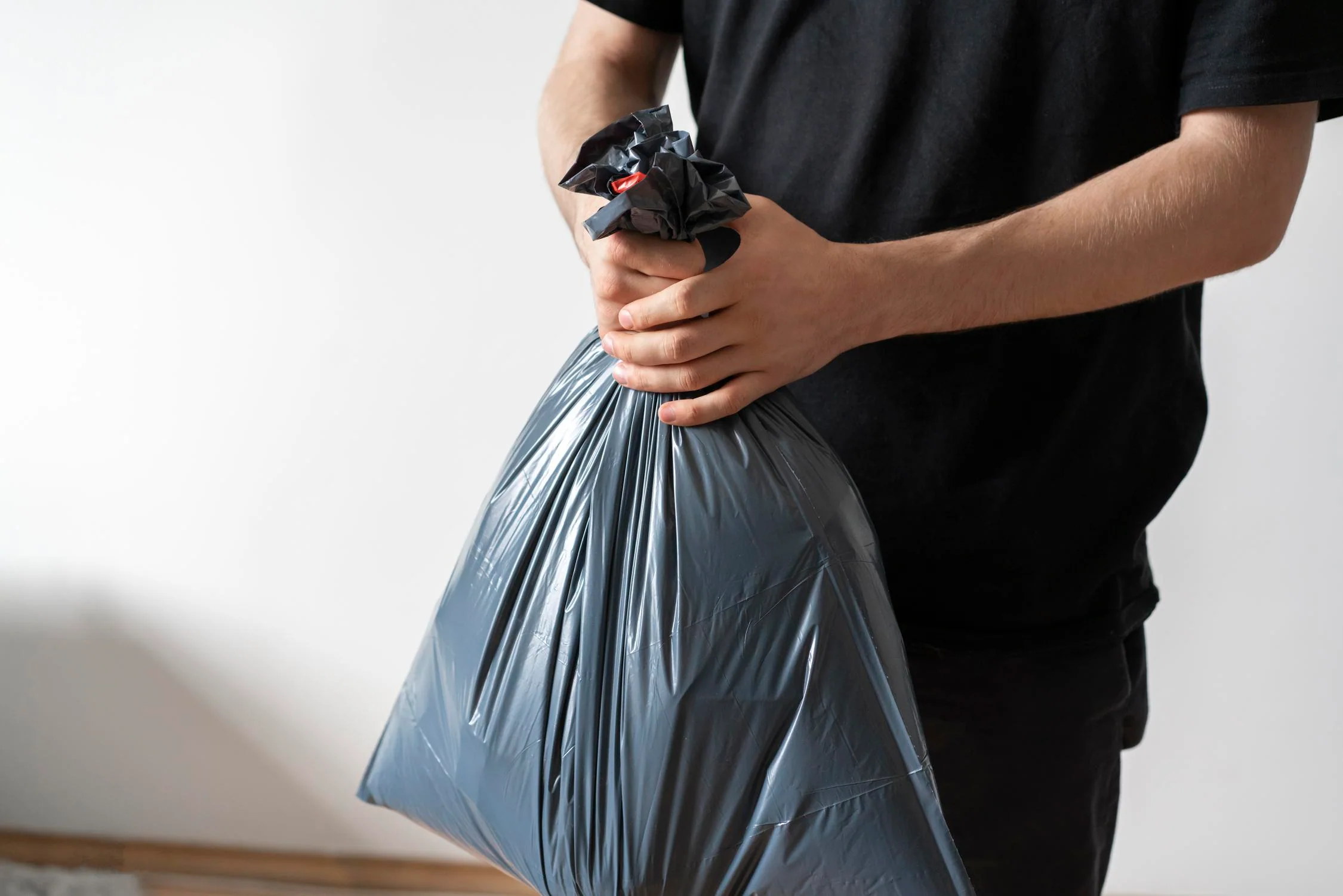













Managing waste efficiently is essential for maintaining clean and organized spaces. Whether for home, hospitality, or industry, selecting the right garbage bags can streamline your process, enhance hygiene, and support sustainability.
This guide provides clear and practical insights to help you choose the best garbage bags for your needs—covering materials, sizes, and features for every application. Plus, we’ll prepare you for the next step: optimizing recycling and storage solutions for even better waste management.
In just a few minutes, gain the knowledge to make confident and impactful choices!
Selecting the right garbage bag begins with understanding the types available. Each material has unique properties to suit specific tasks.
The most common type, made from materials like high-density polyethylene (HDPE) or low-density polyethylene (LDPE). They’re lightweight, cost-effective, and ideal for general waste. For home or office waste bins, these are an economical choice.
Designed for demanding tasks, these bags effectively manage challenging waste types. Industries such as automotive and manufacturing rely on these for durability. Learn more about heavy-duty vs. standard garbage bags.
Eco-conscious options crafted to break down naturally. Perfect for organizations emphasizing sustainability, like in hospitality or food processing. For details, read about understanding garbage bag materials.
Understanding these types helps you choose a bag that aligns with your needs and values.

Selecting the right size garbage bag is crucial for efficient waste management. Use this chart for a quick reference:
| Trash Can Capacity | Recommended Bag Dimensions |
| Up to 30 liters | 50 x 60 cm |
| 31–60 liters | 60 x 80 cm |
| 61–100 liters | 70 x 90 cm |
| 101–200 liters | 90 x 120 cm |
| Over 200 liters | 120 x 150 cm |
For example, a standard kitchen trash can typically requires a bag of 60 x 80 cm. For more details on selecting the proper size, visit this guide.
When purchasing garbage bags, prioritize these features:
Evaluate the strength based on your waste’s weight and texture. For industrial or sharp waste, opt for heavy-duty bags. Look for puncture resistance to avoid spills.
Some garbage bags come with drawstrings, while others may require separate ties. Drawstring bags are more convenient but can cost slightly more. They are ideal for quick disposal needs.
If sustainability is a priority, choose biodegradable or compostable options. These are ideal for businesses aiming to enhance their environmental sustainability efforts. Learn more about eco-friendly materials.
Garbage bags play a crucial role in various industries, each with unique waste management needs and challenges. Below, we delve deeper into how these industries utilize garbage bags effectively and the specific features they look for.
Cleaning professionals depend on high-strength garbage bags to handle large volumes of waste efficiently. For example, janitorial services often require bags designed to securely contain wet or irregular waste to maintain hygiene. U
sing high-quality bags helps maintain hygiene in public spaces like malls and offices. Check out related products like surface cleaners to complement these efforts.
In the hospitality industry, garbage bags are essential for a variety of tasks, including waste disposal in hotel rooms, kitchens, and event spaces. Odor-blocking garbage bags are particularly valuable for managing food waste in restaurant kitchens.
For instance, a hotel’s housekeeping team may rely on durable drawstring bags to quickly replace room bins without the risk of leaks. Explore complementary products like brushes and sponges to enhance efficiency.
Food processing facilities generate organic waste that requires frequent disposal in biodegradable or compostable bags. For example, bakeries may use large-capacity biodegradable bags to safely dispose of flour sacks and food scraps, ensuring compliance with sustainability goals.
Pair these with industrial cleansers to maintain cleanliness in production areas.
In automotive manufacturing and repair, garbage bags are used to collect heavy and sharp waste like scrap metal and oily rags. Heavy-duty garbage bags with puncture resistance are essential to avoid tears and spills.
Workshops can also use color-coded bags to separate hazardous materials from general waste for proper disposal.
Manufacturing plants produce various types of waste, including packaging materials, metal scraps, and rejected products. Large-capacity garbage bags with reinforced seams are ideal for these settings.
For example, factories assembling electronics might use anti-static garbage bags to dispose of materials requiring careful handling.
Here are some of the top European suppliers offering quality garbage bags:
Explore their catalogs to find the ideal fit for your business or personal needs. Highlighting supplier specialties can streamline decision-making.
For a comprehensive approach to cleaning and waste management, check out these resources:
We hope this guide has provided valuable insights into selecting the right garbage bags, from understanding materials and sizes to prioritizing sustainability and efficiency. Whether you’re managing waste in hospitality, food processing, or at home, we’re here to help you make informed choices.
Explore our extensive range of Garbage Bags on Droppe, featuring trusted brands like MaiMed, Abena, and Diversey—all designed to meet your specific needs.
Have questions or need guidance in finding the perfect solution? Don’t hesitate to reach out—our team is always ready to support you in optimizing your waste management strategies.
– The Droppe Team
Biodegradable bags should be disposed of in composting facilities or green waste bins to ensure proper breakdown.
Scented bags help mask odors in spaces like kitchens but are optional depending on personal preference.
It’s better to use clear or specific recycling bags to separate recyclable materials effectively.
HDPE bags are stronger and ideal for lighter, non-sharp waste, while LDPE bags are thicker and more flexible, suited for heavier loads.
Thicker bags (2–3 mils) are better for heavy or sharp waste, while thinner bags (0.7–1.5 mils) are ideal for lightweight trash.





Struggling to maintain clear vision in demanding environments? This guide is here to help. By the end, you’ll know exactly...

Electricians across Europe face unique challenges that require reliable safety glasses to ensure both protection and efficiency. Whether safeguarding against...
Maintaining clean business premises is not just about appearance—it enhances employee well-being, creates a professional environment that delights customers, and...
Struggling to maintain clear vision in demanding environments? This guide is here to help. By the end, you’ll know exactly...
Electricians across Europe face unique challenges that require reliable safety glasses to ensure both protection and efficiency. Whether safeguarding against...
Maintaining clean business premises is not just about appearance—it enhances employee well-being, creates a professional environment that delights customers, and...
Get 20€ off on your first order!
Save 30% by buying directly from brands, and get an extra 10€ off orders over €100
Save 30% by buying directly form brands, and get an extra 10€ off orders over €100