


How to Clean Leather Work Gloves: A Comprehensive Guide
Leather work gloves are essential for protecting your hands in demanding work environments, but regular care can significantly extend their...









When working in demanding environments, selecting the right protective gear is essential. Heavy-duty leather work gloves provide superior protection, durability, and comfort, making them a popular choice across various industries. This guide will help you choose the best leather gloves for your needs, focusing on materials, design features, safety standards, and maintenance.
Leather is a versatile material with unique qualities that make it ideal for protective gloves. Here are some key reasons why leather gloves are highly regarded:
/piece

/piece

/package
/package
Different types of leather provide varying levels of protection, flexibility, and durability. Here’s a comparison:
| Leather Type | Features | Best For |
| Cowhide | Durable, abrasion-resistant, affordable | General labor, construction |
| Goatskin | Lightweight, water-resistant, flexible | Precision tasks, handling tools |
| Deerskin | Soft, supple, and comfortable | Prolonged use, light-duty tasks |
| Pigskin | Porous, breathable, and flexible | Wet conditions, gardening |
| Elkskin | Heat-resistant and strong | Welding, heavy machinery handling |
Identify the specific risks in your work environment. For example:
Poorly fitting gloves can cause discomfort and reduce efficiency. Consider these points:
Ensure your gloves comply with European safety regulations:
Choose gloves based on their specific features:
Determine the tasks you’ll be performing:
Here’s a table summarizing some common glove options based on their intended use:
| Feature | Ideal Gloves |
| Abrasion Resistance | Cowhide gloves with Kevlar lining |
| Heat Protection | Split leather welding gloves |
| Dexterity | Goatskin gloves |
| Cold Weather | Insulated leather gloves |
| Chemical Resistance | Coated leather gloves |
Before purchasing, inspect gloves for the following:
To be sure you are selecting gloves that fit your needs, read user reviews and professional advice. Give comfort, durability, and performance top priority.
Proper maintenance can extend the life of your gloves:
| Dos | Don’ts |
| Clean regularly | Use harsh chemicals for cleaning |
| Air dry after cleaning | Place near heaters to dry |
| Apply conditioner periodically | Over-soak in water |
You can purchase heavy-duty leather work gloves from local suppliers or online platforms specializing in industrial safety gear. Ensure the retailer provides detailed product specifications and complies with European safety standards.
To pick the right heavy-duty leather work gloves, you need to know what you need, look at the materials, and make sure they meet safety standards. By thinking about these things, you can buy gloves that will protect you the most, make you feel good, and last the longest for your job.
The information in this guide is reliable and will help you choose gloves that meet safety standards and work well in tough European settings.





Leather work gloves are essential for protecting your hands in demanding work environments, but regular care can significantly extend their...

Leather work gloves are essential tools for many industries, offering durability, comfort, and protection. Proper maintenance ensures they last longer,...
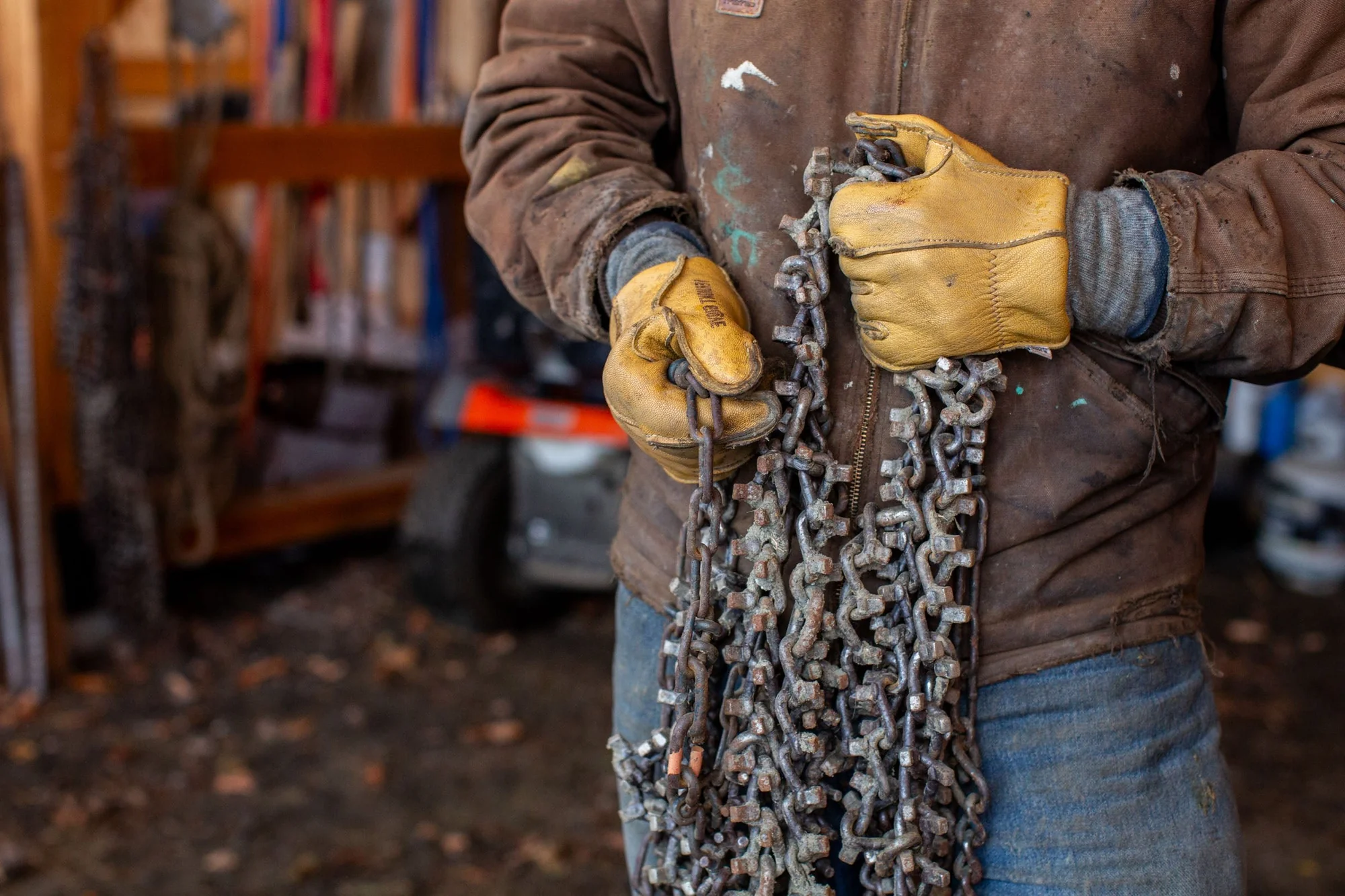
Looking for the perfect leather winter work gloves to keep your hands warm, protected, and functional in cold weather? Let...
Leather work gloves are essential for protecting your hands in demanding work environments, but regular care can significantly extend their...
Leather work gloves are essential tools for many industries, offering durability, comfort, and protection. Proper maintenance ensures they last longer,...
Looking for the perfect leather winter work gloves to keep your hands warm, protected, and functional in cold weather? Let...
Get 20€ off on your first order!
Save 30% by buying directly from brands, and get an extra 10€ off orders over €100
Save 30% by buying directly form brands, and get an extra 10€ off orders over €100