



Essential PPE in the Food Industry: What You Need to Know
Overwhelmed by PPE options for food safety? Master your PPE selection for food workers safety with these practical tips.

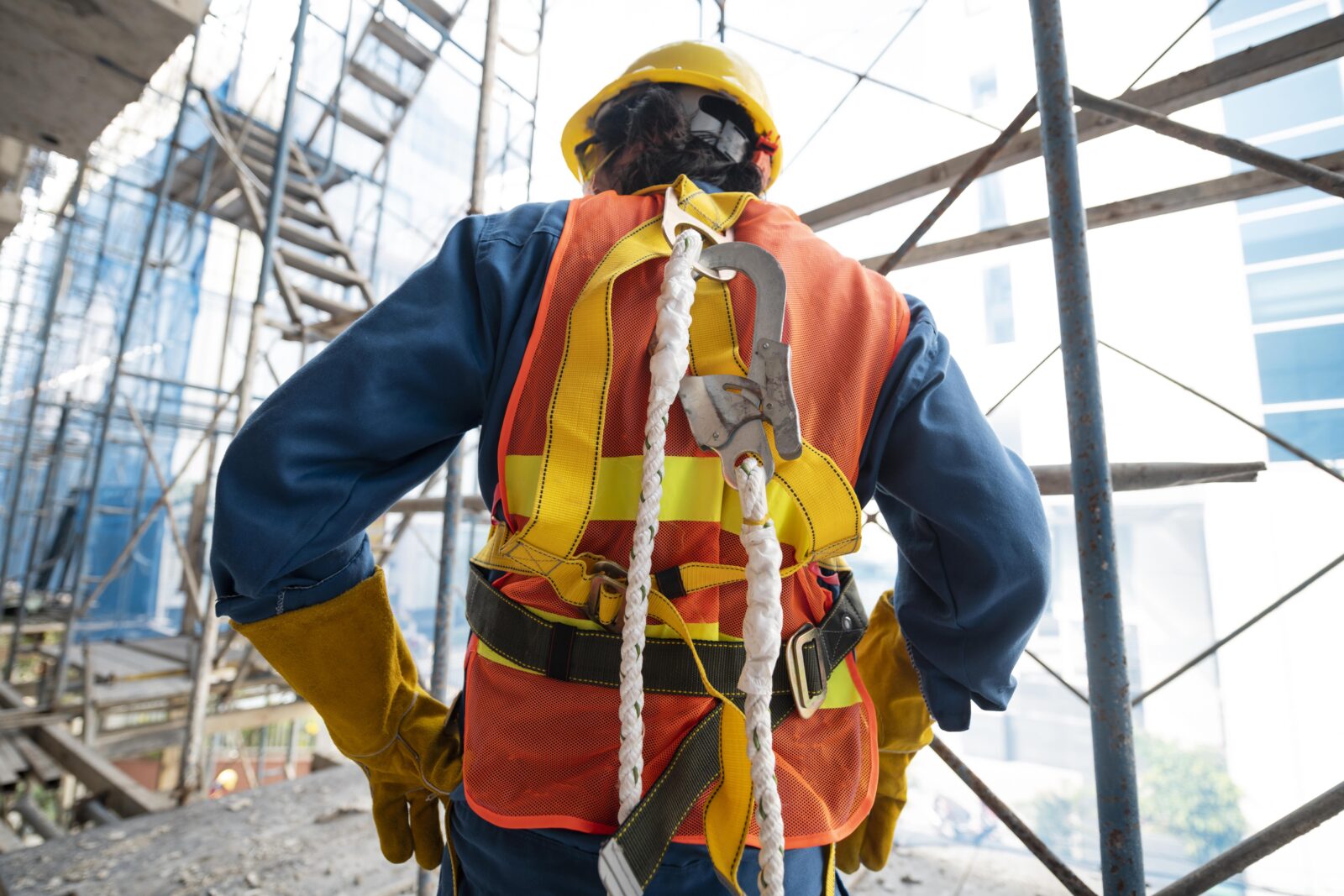











Making sure workers are safe is very important in construction. Choosing the right construction safety equipment is very important for lowering risks and following all European rules. With many hazards in the workplace and strict rules, choosing the right safety gear can greatly cut down on accidents and boost total productivity.
This guide explores key considerations, regulations, and best practices for choosing construction safety equipment suitable for European standards.
Before selecting safety equipment, it’s essential to identify potential hazards at construction sites. Common risks include:
| Hazard | Examples | Impact |
| Falling from Heights | Scaffolding, ladders, roofs | Severe injuries or fatalities |
| Struck-by Objects | Falling tools, moving vehicles | Head injuries, fractures |
| Electrical Hazards | Faulty wiring, live wires | Electric shock, burns |
| Noise Pollution | Loud machinery | Hearing damage |
| Respiratory Risks | Dust, fumes, or asbestos | Lung diseases |
Identifying these risks is the first step toward choosing the appropriate equipment.
/piece

/piece

/package

/package
European countries are governed by stringent occupational safety laws. Here are some of the primary regulations to keep in mind:
Compliance with these standards is mandatory, ensuring both safety and legal accountability.
There are two main types of construction safety tools: personal protective equipment (PPE) and site-specific safety solutions. Here’s a list of important things:
| Type | Purpose | Relevant Standard |
| Helmets | Protects against falling objects | EN 397 |
| Safety Goggles | Shields eyes from debris | EN 166 |
| Hearing Protection | Reduces exposure to loud noise | EN 352 |
| Respirators | Filters dust, fumes, and toxins | EN 149 |
| Gloves | Prevents hand injuries | EN 388, EN 511 |
| Steel-Toed Boots | Safeguards feet | EN ISO 20345 |
Choosing safety equipment involves evaluating several critical factors:
Do a thorough risk analysis to find out what dangers are present at your place. For instance, a place with a lot of dust might need improved respiratory masks, and a place with a lot of noise might need special hearing protection.
Ensure all equipment meets or exceeds the relevant European EN standards. Look for CE marking as an indication of conformity with EU regulations.
Safety gear must fit workers properly to function effectively. Ill-fitting equipment can cause discomfort, reducing compliance. For example:
Think about materials’ longevity, particularly for high-use products like boots or gloves. Products built with reinforced components usually offer better protection and longer service life.
Ensure that different types of safety equipment work together without compromising effectiveness. For example, helmets and goggles should fit comfortably together without leaving gaps.
Adopting safety tools isn’t just about buying the right items; it’s also about putting them to good use. To get the best results, do these things:
Provide comprehensive training on:
Regularly check safety gear to make sure it stays in good shape. Immediately replace any gear that is broken or outdated.
Encourage workers to actively participate in safety discussions and report potential risks. Involving them helps build a culture of safety.
Ensure consistent use of safety equipment on-site by implementing spot checks or regular audits.
Although financial limitations are unavoidable, sacrificing safety equipment quality could have grave results. To find a compromise:
To ensure effective safety measures, avoid these pitfalls:
Numerous organizations and resources can assist in selecting and implementing construction safety equipment:
Choosing the right construction safety equipment requires a combination of hazard awareness, regulatory compliance, and worker involvement. By taking a proactive approach to safety and prioritizing quality, European construction professionals can create a safer working environment for all.
By implementing these guidelines and regularly reviewing your equipment and policies, you’ll ensure compliance and protect your team from avoidable injuries. Always remember, safety is not an expense but an investment in the well-being of your workforce.





Overwhelmed by PPE options for food safety? Master your PPE selection for food workers safety with these practical tips.
Choosing the right heat-resistant gloves is very important for safety and performance when working in hot places. Heat-resistant gloves are...
Looking for the perfect leather winter work gloves to keep your hands warm, protected, and functional in cold weather? Let...
Overwhelmed by PPE options for food safety? Master your PPE selection for food workers safety with these practical tips.
Choosing the right heat-resistant gloves is very important for safety and performance when working in hot places. Heat-resistant gloves are...
Looking for the perfect leather winter work gloves to keep your hands warm, protected, and functional in cold weather? Let...
Get 20€ off on your first order!
Save 30% by buying directly from brands, and get an extra 10€ off orders over €100
Save 30% by buying directly form brands, and get an extra 10€ off orders over €100