



Essential PPE in the Food Industry: What You Need to Know
Overwhelmed by PPE options for food safety? Master your PPE selection for food workers safety with these practical tips.

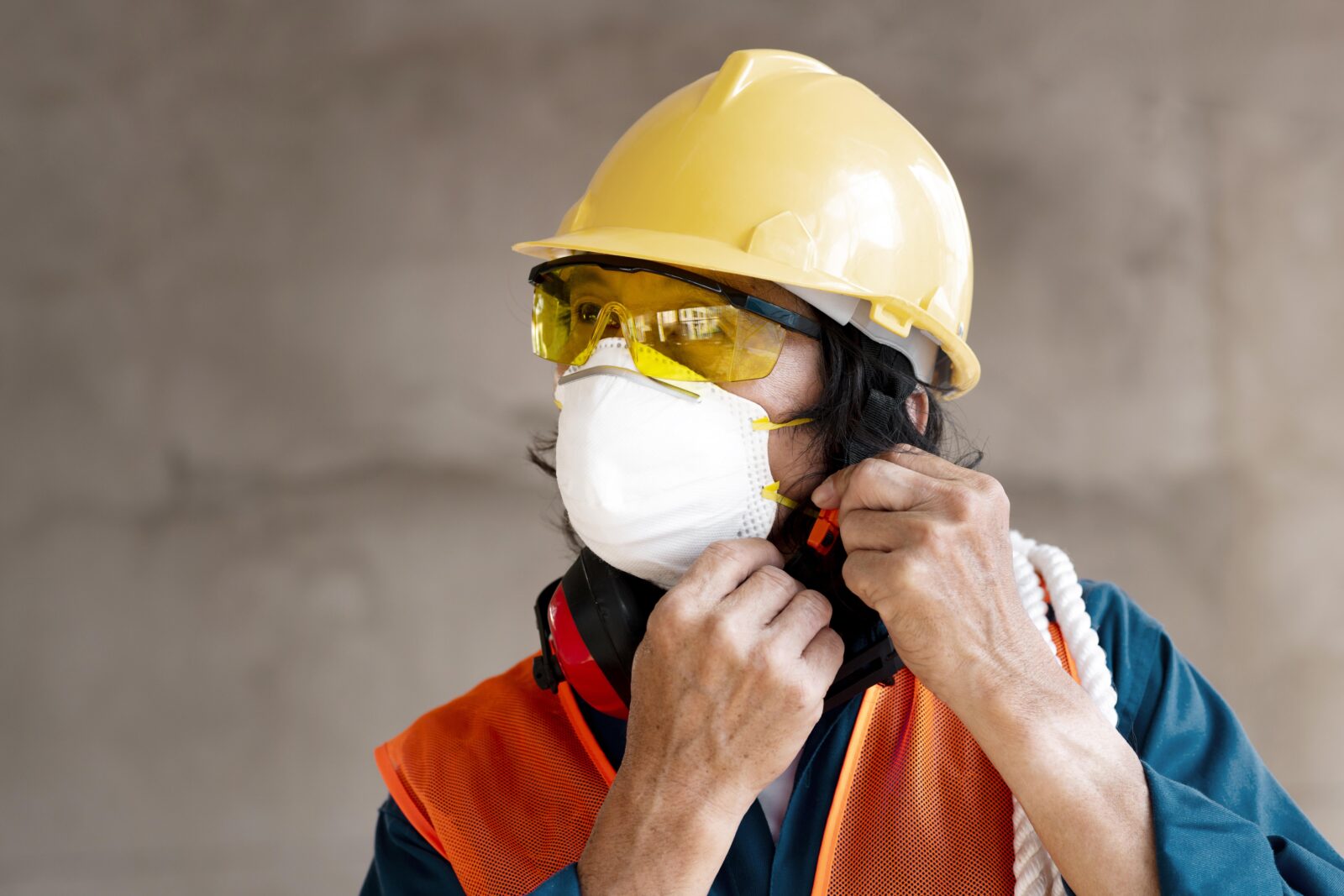












Respirators are critical safety devices used across various industries to protect workers from hazardous airborne substances. They are essential for maintaining occupational health and safety, ensuring compliance with European standards such as EN 149 and EN 143. This guide explores the main types of respirators, their specific uses, and the factors to consider when selecting the right one for the job.
Respirators are very important because they keep workers from breathing in dangerous particles, gases, and vapours that could cause short-term or long-term health problems. Workers in building, healthcare, chemical processing, and manufacturing are often at risk in these areas. According to laws like the General Product Safety Directive and the European Directive 89/686/EEC, employers must make sure that workers have the right breathing protection.
/piece

/piece

/package

/package
Respirators fall into two broad categories:
In both groups, there are different styles, and each one is best for a certain type of danger or use.
APRs are the most commonly used respirators in workplaces. They rely on filters or cartridges to remove contaminants from the air. Below are the main types:
These are lightweight, single-use masks designed to filter airborne particles such as dust, mist, and fumes. Commonly referred to as filtering facepiece respirators (FFRs), they are categorized under standards such as FFP1, FFP2, and FFP3 in Europe:
Key Applications: Construction, woodworking, healthcare (e.g., during pandemics).
Often referred to as elastomeric respirators, these are robust and meant for frequent usage with changeable filters or cartridges. Compared to throw-away alternatives, they provide a closer seal and more protection.
Key Applications: Manufacturing, chemical handling, heavy industry.
A blower driven by a battery moves air through filters and into the PAPR. They provide more ease and safety, especially in hot or physically demanding places.
Key Applications: Healthcare (surgical settings), hazardous material handling, and laboratory work.
SARs are used in environments where oxygen levels are insufficient or contaminants cannot be effectively filtered. They provide clean air from an external source, such as a compressor or tank. Below are the main types:
Through a hose, these devices connect the user to a stationary air source. They can be used for a long time and offer a lot of safety.
Key Applications: Spray painting, confined space work, and chemical processing.
SCBA systems have an air tank that the user carries around with them. This lets the user be completely mobile and not depend on outside air sources. They are used in dangerous places where the best safety for the lungs is needed.
Key Applications: Firefighting, emergency response, and industrial rescue operations.
Selecting the right respirator involves assessing various factors, including the specific workplace hazards, regulatory requirements, and individual user needs. Below are some critical considerations:
Determine if the hazard pertains to particles, gases, vapours, or a deficiency of oxygen. Each type of respirator is engineered to address particular hazards. For instance:
When a mask doesn’t fit right, it’s less effective. Make sure the seal is tight by testing the fit, especially for full-face and reusable types. For long-term use, comfort is also important, especially when doing hard physical work.
Make that the respirator satisfies European safety criteria, such EN 149 for full-face respirators or EN 136 for disposable masks. To be sure you comply, always check the CE marking.
Consider factors such as temperature, humidity, and mobility. For example, SARs are better for confined spaces, while PAPRs are ideal for high-heat environments.
As long as they are well-maintained, respirators will continue to do their job. In general, these are the rules:
Store respirators in a clean, dry place to prevent contamination or damage.
It is very important to give people the right training so they can use respirators properly. What should training cover?
Regular fit testing is also mandatory to ensure a proper seal, especially for tight-fitting models.
As technology gets better, respirators are getting better at what they do and how they look. Innovations consist of:
Respirators are an indispensable component of workplace safety, protecting workers from a wide range of airborne hazards. Understanding the various types and their applications helps ensure proper selection and use, reducing the risk of occupational illnesses. By adhering to European standards and implementing effective training and maintenance programs, employers can safeguard their workforce while maintaining regulatory compliance.
For further information, consult local regulations and industry-specific guidelines to choose the respirator best suited for your needs.





Overwhelmed by PPE options for food safety? Master your PPE selection for food workers safety with these practical tips.

Choosing the right heat-resistant gloves is very important for safety and performance when working in hot places. Heat-resistant gloves are...
Looking for the perfect leather winter work gloves to keep your hands warm, protected, and functional in cold weather? Let...
Overwhelmed by PPE options for food safety? Master your PPE selection for food workers safety with these practical tips.
Choosing the right heat-resistant gloves is very important for safety and performance when working in hot places. Heat-resistant gloves are...
Looking for the perfect leather winter work gloves to keep your hands warm, protected, and functional in cold weather? Let...
Get 20€ off on your first order!
Save 30% by buying directly from brands, and get an extra 10€ off orders over €100
Save 30% by buying directly form brands, and get an extra 10€ off orders over €100