



How To Choose The Best Anti-Fog Safety Glasses
Struggling to maintain clear vision in demanding environments? This guide is here to help. By the end, you’ll know exactly...

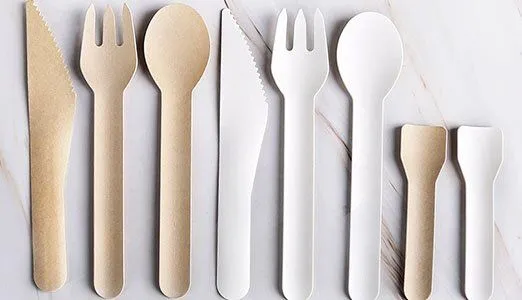













Not sure which disposable cutlery to choose for your food service? Whether you’re considering plastic, wooden, or compostable options, this guide will help you understand the benefits and drawbacks of each material, so you can make the best choice for your needs.
By the end of this article, you’ll have a clear understanding of how to select cutlery based on cost, durability, and environmental impact. We’re here to help you find the perfect solution for your business, and we’ll also provide tips on what to do next to improve your food service setup.
For a broader perspective on selecting the right disposable cutlery, refer to the main article, How To Choose The Right Disposable Cutlery For Food Service – A Buyer’s Guide.
Plastic cutlery has long been a staple in food service, offering durability and affordability. Made from petroleum-based plastics, such as polystyrene (PS) or polypropylene (PP), these utensils are lightweight, resistant to moisture, and suitable for both hot and cold foods.
Consider alternatives like bio-based plastics if you need the practicality of plastic but aim to reduce your environmental footprint.

Wooden cutlery has gained popularity for its natural appearance and eco-friendly reputation. Made from renewable resources like birchwood, these utensils are biodegradable and free from harmful chemicals.
Wooden cutlery works well for businesses emphasizing sustainability and aesthetics, such as upscale catering or eco-conscious restaurants.
Compostable cutlery is crafted from materials like PLA (polylactic acid) or CPLA (crystalized PLA), derived from plant-based sources such as corn starch. These utensils combine the convenience of disposables with reduced environmental impact.
Industrial composting involves controlled conditions, such as specific temperatures and humidity levels, to ensure materials like PLA break down fully within a few months.
Unlike home composting, it often requires specialized facilities to achieve the desired outcomes. Learn more about this process at Wikipedia’s Industrial Composting Overview.
Compostable options are ideal for businesses with access to composting programs or those looking to meet eco-conscious consumer demands.
| Feature | Plastic Cutlery | Wooden Cutlery | Compostable Cutlery | Best Use Case |
| Cost | Low | Medium | High | High-volume, budget-focused setups |
| Durability | High | Medium | Medium | Varied food types |
| Eco-Friendliness | Low | High | High | Sustainable or eco-conscious needs |
| Heat Resistance | Medium (varies) | High | High | Hot foods or beverages |
| Regulations | Increasingly Limited | Compliant | Compliant | Areas with strict environmental laws |
Choosing the right disposable cutlery is not just about the material but also about matching it to your specific needs and circumstances.
For more detailed guidance, explore our Disposable Cutlery Product Category.
Enhance your food service setup with related products:
Check out our comprehensive guides for more insights, such as Disposable Forks for Food Service: Selecting the Right Utensils.
We hope this guide has been helpful in navigating the key factors for choosing the right disposable cutlery, from material options to sustainability considerations. Whether you’re looking for cost-effective solutions, eco-friendly alternatives, or durable utensils, we’re here to support your food service needs.
To explore all available options, visit our Disposable Cutlery Product Category and elevate your food service offerings today.
Have questions or need guidance on selecting the perfect cutlery? Feel free to reach out—we’re always here to help ensure your food service is both practical and sustainable.
– The Droppe Team
Plastic cutlery is the most cost-effective choice for large-scale operations.
Yes, compostable CPLA cutlery can handle hot foods without compromising quality.
Yes, wooden cutlery is safe for food and free from harmful chemicals.
Compostable cutlery breaks down within industrial composting conditions, typically within 3 to 6 months.
Bio-based plastics are a sustainable alternative if you need the functionality of plastic with a lower environmental impact.





Struggling to maintain clear vision in demanding environments? This guide is here to help. By the end, you’ll know exactly...

Electricians across Europe face unique challenges that require reliable safety glasses to ensure both protection and efficiency. Whether safeguarding against...
Maintaining clean business premises is not just about appearance—it enhances employee well-being, creates a professional environment that delights customers, and...
Struggling to maintain clear vision in demanding environments? This guide is here to help. By the end, you’ll know exactly...
Electricians across Europe face unique challenges that require reliable safety glasses to ensure both protection and efficiency. Whether safeguarding against...
Maintaining clean business premises is not just about appearance—it enhances employee well-being, creates a professional environment that delights customers, and...
Get 20€ off on your first order!
Save 30% by buying directly from brands, and get an extra 10€ off orders over €100
Save 30% by buying directly form brands, and get an extra 10€ off orders over €100